The Restorative Sway: Water as a Counterweight to Overland Trekking
While high-altitude expeditions push physical boundaries, spending time on open water offers a quiet rhythm that restores focus and relieves endurance fatigue.
The Rhythms of Mountain Navigation
Long-distance mountain expeditions place rigorous demands on human physiology and spatial attention. Navigating steep talus slopes, evaluating snowpack stability, and tracking shifting weather patterns across exposed ridges require continuous vigilance. Every step on a technical mountain trail involves calculated foot placement, where energy expenditure remains high and visual focus is narrowed to the immediate terrain ahead. While overland trekking builds physical resilience and mental fortitude, the constant requirement for tactical decision-making can produce a distinct form of cognitive strain over prolonged journeys. Heavy loads, uneven footing, and sustained altitude force the human body into a state of perpetual muscular bracing, where stabilization muscles work continuously to maintain balance across unforgiving ground.
Shifting Horizon and Sensory Recalibration
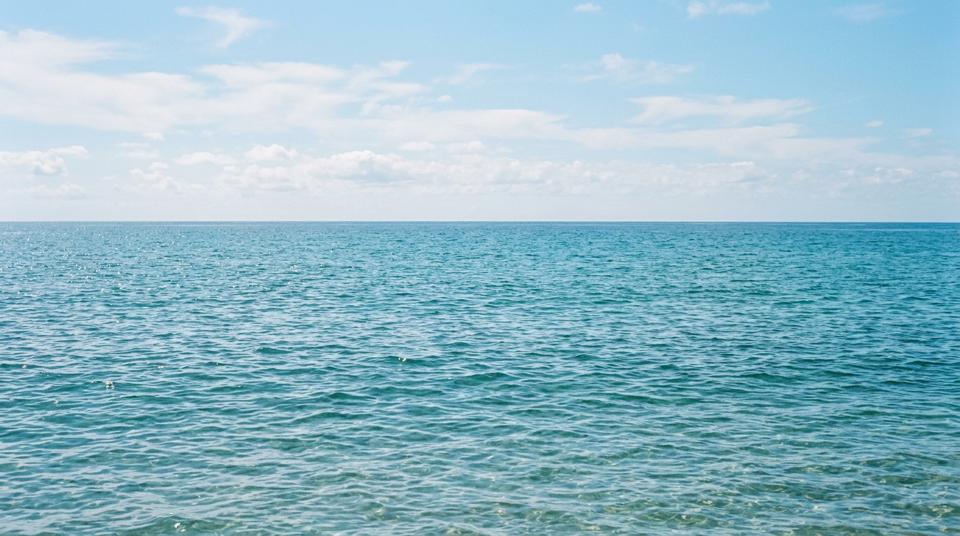
Transitioning from rugged topography to open water alters the nature of physical engagement. On land, mountain terrain dictates speed, stride length, and posture, forcing the body to adjust to every incline and unpredictable shift in the path. On water, the medium itself absorbs kinetic impact, transferring physical movement into a continuous, fluid sway that requires no active footwork from the traveler. The visual field expands dramatically across open expanses; instead of focusing on immediate trail obstacles like loose scree, wet roots, or narrow ledges, the eye rests on broad, unbroken horizons. This spatial expansion allows the nervous system to disengage from constant hazard evaluation, encouraging a deeply restorative state characterized by quiet environmental observation rather than continuous micro-adjustments.
Aquatic Motion as an Antidote to Terrestrial Fatigue
Integrating water-based rest into extended wilderness itineraries provides a physical counterweight to intense ground transport and trail fatigue. Floating or gentle cruising allows muscles strained by steep elevation gain and prolonged hiking to recover while remaining immersed in outdoor settings. For travelers spending extended periods in warm coastal regions, short maritime excursions offer an immediate shift in movement dynamics without requiring complex physical output. In Dubai, those looking to spend hours offshore on a catamaran led by a professional captain and crew can examine current vessel availability and yacht rental prices on their page provided by Khorline. Experiencing water movement in this calm, controlled setting highlights how passive drift counteracts the rigid physical structure of overland travel.
Ocean Currents and the Art of Passive Observation
Water environments demand a different form of patience than terrestrial expedition routes. On a mountain trail, progress is measured incrementally in vertical meters gained and distance covered toward a defined summit or camp shelter. Marine navigation, by contrast, operates alongside natural swell and wind patterns that cannot be accelerated through sheer muscular effort. Observing the sea surface teaches non-reactive awareness, where the primary task is simply watching light reflections, wind shifts, and tidal movement. This passive engagement helps reset attention spans that have been constrained by complex operational logistics, offering a mental pause where time is measured by water currents rather than strict daily itineraries.
Sustained Endurance and Strategic Recovery
Long-term physical performance relies as much on deliberate recovery as it does on strenuous physical exertion. High-altitude climbs and multi-week wilderness expeditions push endurance thresholds, but continuous exertion without structured, low-impact recovery can lead to systemic exhaustion and reduced mental clarity. Alternating heavy trail days with quiet time spent on open water creates a functional rhythm between active output and deep physical rest. Out on open water, the body experiences a sense of weightlessness, the resting pulse stabilizes, and the mind finds the reflective space necessary to process past exertion before preparing for the next physical endeavor.
More pages
- The Kangshung Face Trek A challenging trek up the Kharta and Kama Valleys to the foot of Everest's huge Kangshung Face in Tibet.
- Kangchenjunga A classic trek to both the north and south base camps of Kangchenjunga, the third highest peak in the world.
- Grand Karakoram Traverse A unique journey combining the K2 trek with the Snow Lake trek across the heart of the Karakoram mountains.